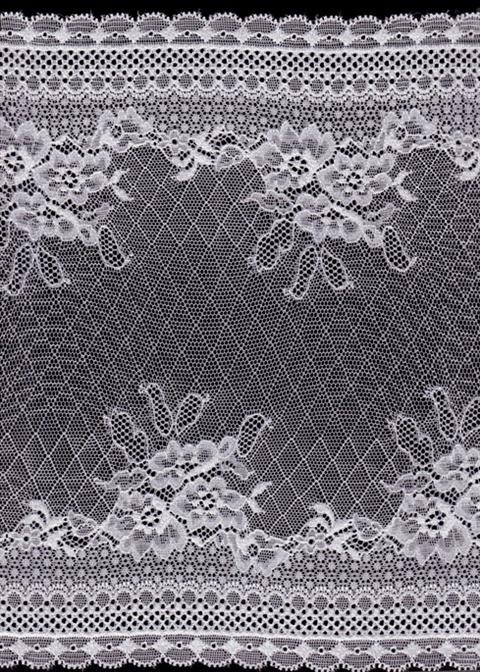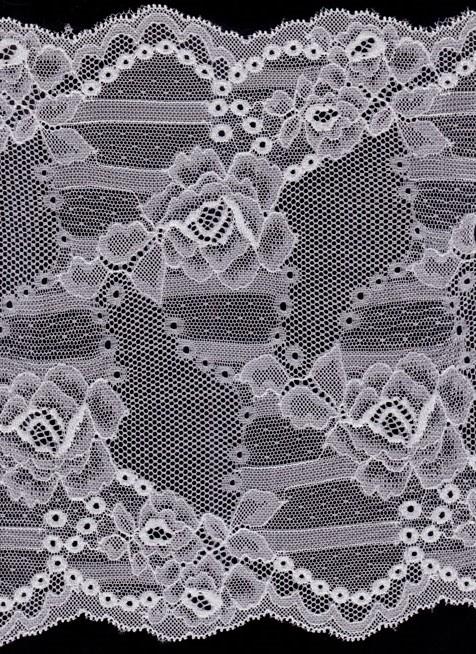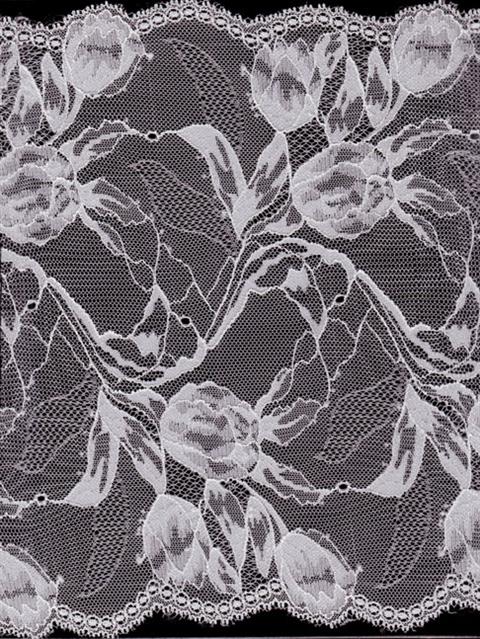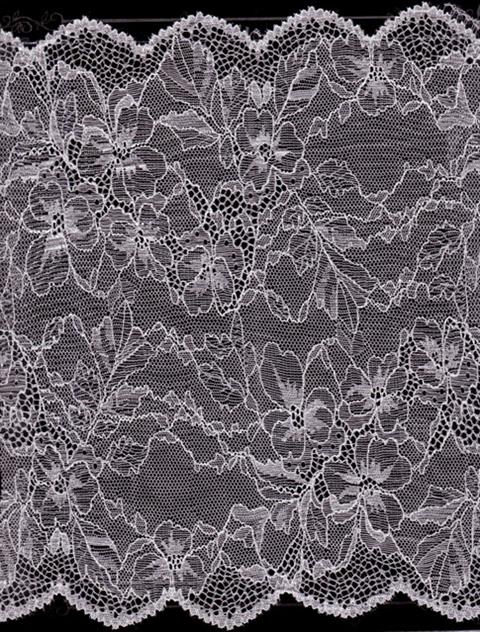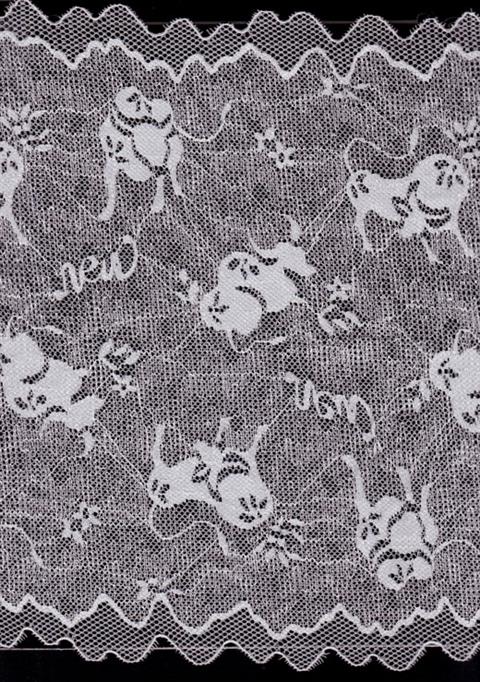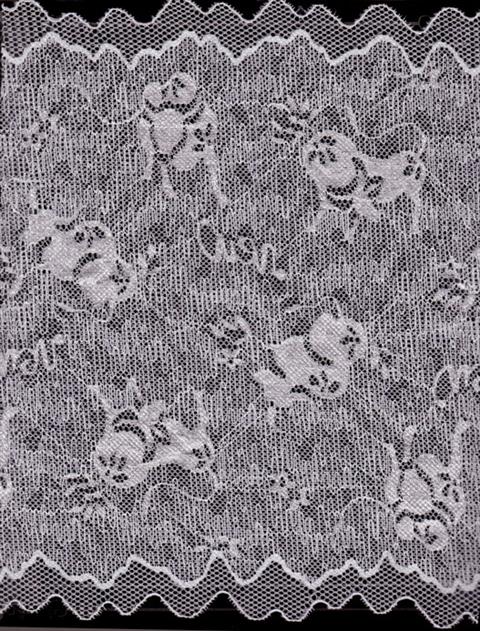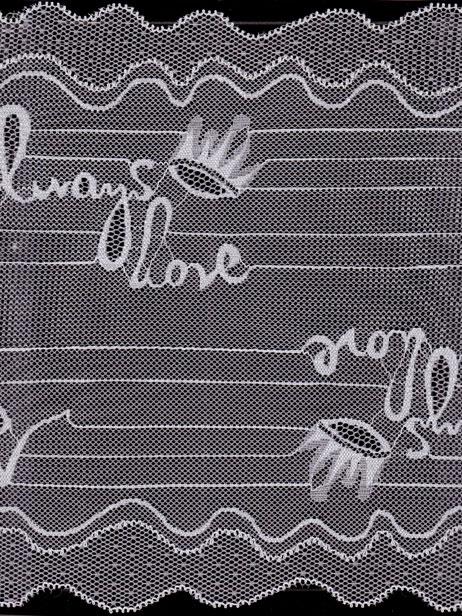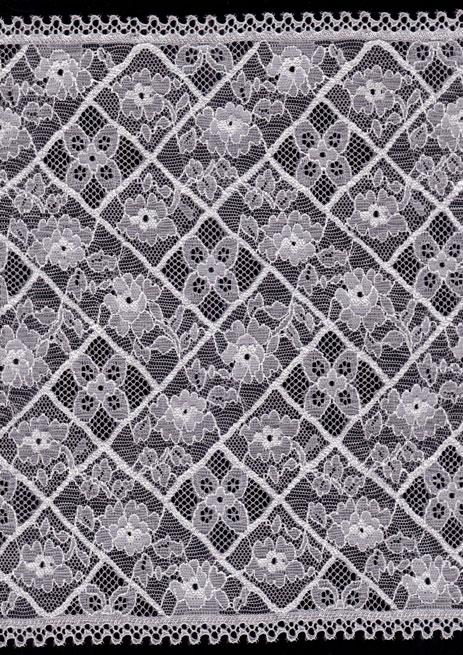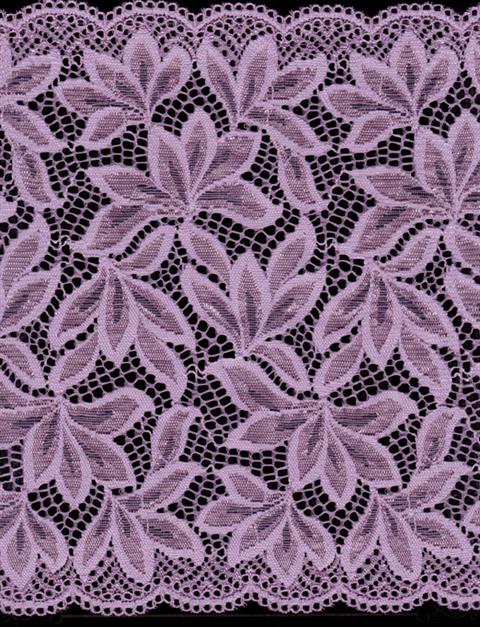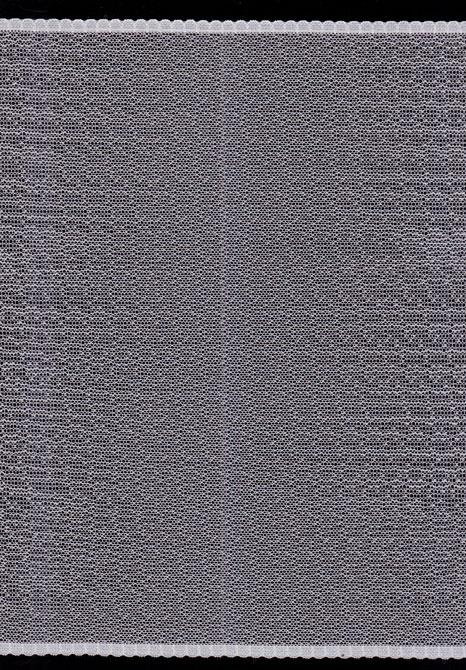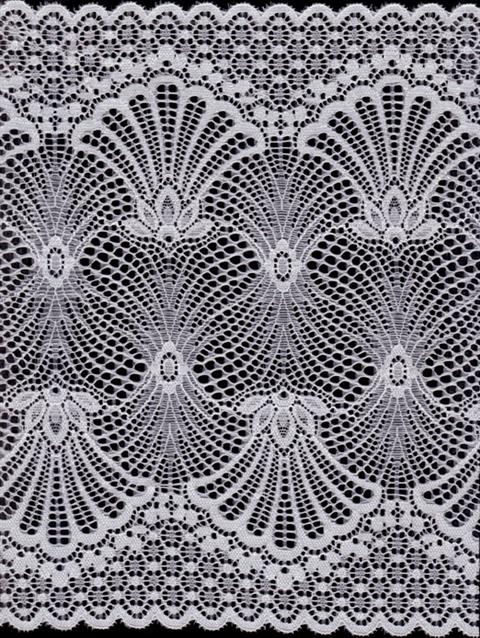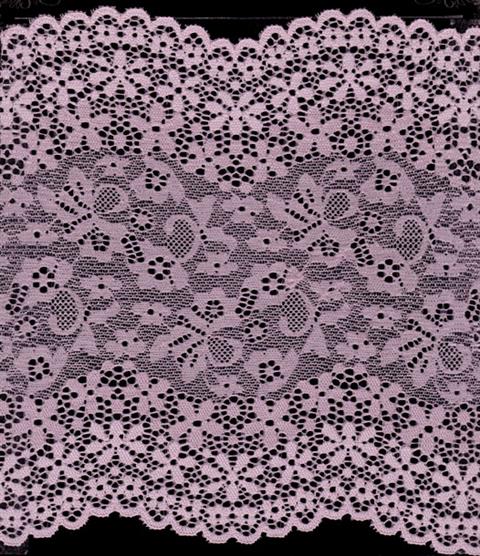

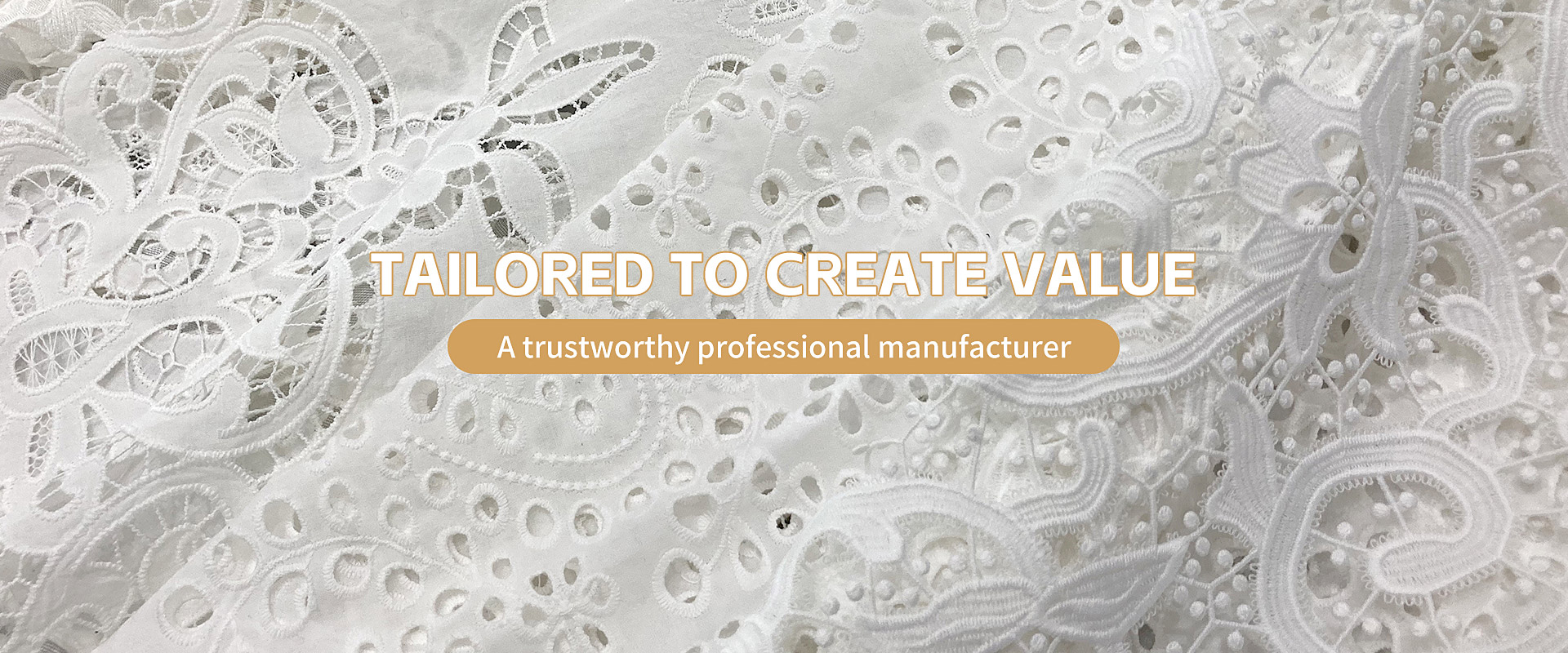

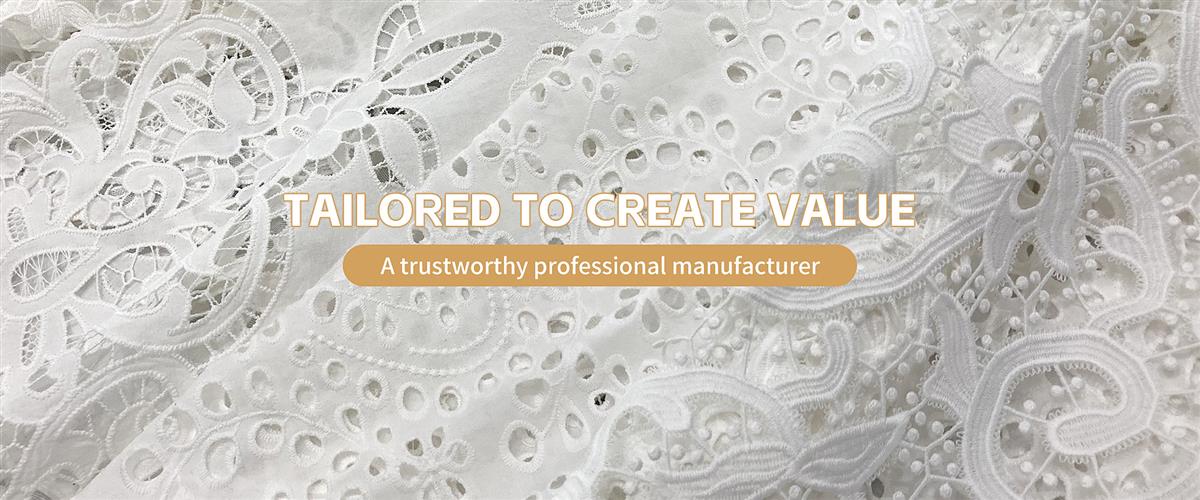







Textile lace is a decorative material widely used in clothing, home decoration, and other fields. Its production process is diverse, and the following are some common techniques for textile lace:1. Embroidery craftsmanshipOverview: Embroidery lace is a craft that forms patterns or designs on the base fabric through embroidery techniques. It uses needles and threads to puncture and weave on the base fabric according to the designed pattern, thus forming a three-dimensional pattern effect.Features: Exquisite embroidery lace workmanship, protruding flower shape, strong three-dimensional sense, bright colors and not easy to fade. At the same time, it can be personalized and customized according to design requirements, suitable for various high-end clothing and home decoration.Application: Widely used in the decoration of wedding dresses, formal dresses, fashion, curtains, sofa covers and other products.2. Weaving processOverview: Weaving lace is a process of weaving yarn or fiber materials into specific shapes and patterns through weaving techniques. It can be woven by hand or machine to create a variety of different textures and effects.Features: The woven lace has a soft texture, good breathability, and a certain degree of elasticity and plasticity. Its patterns and textures are rich and diverse, and can be adjusted and designed according to needs.Application: Commonly used for decorating knitwear such as sweaters, scarves, hats, etc., as well as for edging household items such as carpets and pillows.3. Machine weaving processOverview: Woven lace is a craft made by interweaving warp and weft threads controlled by a jacquard mechanism. It uses machines for automated production, which can efficiently produce lace of various specifications and patterns.Features: The woven lace has a tight texture, a three-dimensional flower shape, rich colors, and is not easily deformed. It has high production efficiency and is suitable for large-scale production.Application: Widely used in the decoration of bras, underwear, pajamas, fashion, bedding and other products.4. Knitting processOverview: Knitted lace is woven into lace with specific patterns and textures using knitting equipment such as warp knitting machines or weft knitting machines. It uses tools such as tongue needles or crochet hooks to form loops of yarn and connect them to each other.Features: Knitted lace has a loose texture, obvious perforations, a lightweight appearance, and good breathability. Its patterns and textures are flexible and versatile, and can be adjusted according to design requirements.Application: Commonly used for decorating sportswear, casual wear, children's clothing and other products.5. Printing processOverview: Although printing itself does not directly weave or embroider lace, by printing patterns on fabric, a decorative effect similar to lace can be formed. Printing technology uses various printing techniques to transfer patterns onto fabrics.Features: The printed lace has bright colors, diverse patterns, and high production efficiency. Suitable for decorating various fabrics and products.Application: Widely used in various fields such as clothing, home textiles, luggage, etc.6. Handmade craftsmanshipOverview: In addition to the mechanized production processes mentioned above, there are also some manual techniques used to make lace, such as crochet, hand embroidery, etc. Although these processes have low production efficiency, they can produce unique and personalized lace works.Features: Handmade lace has unique artistic value and personalized characteristics, which can showcase the creator's creativity and skills.Application: Suitable for high-end customization, art decoration and other occasions.In summary, common techniques for textile lace include embroidery, weaving, machine weaving, knitting, printing, and handicrafts. These processes each have their own characteristics and application areas, and can be selected and used according to specific needs.
09-11knowledge
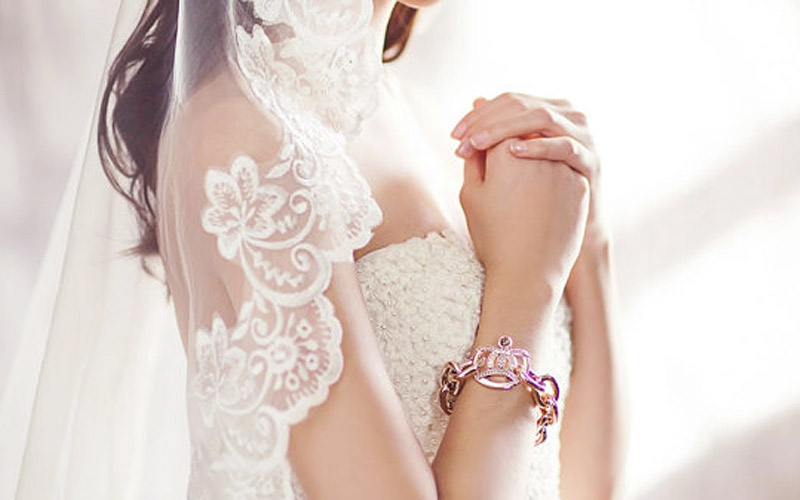
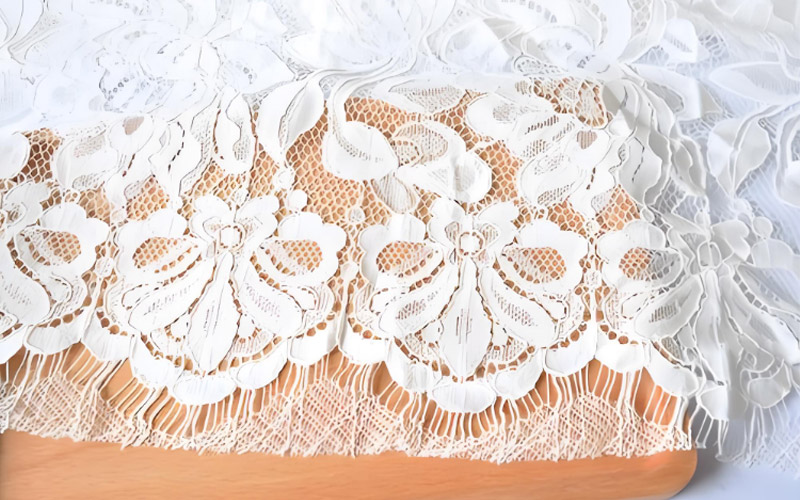
There are various types of lace fabrics used for clothing and accessories, and the specific choice depends on the design, style, purpose, and desired decorative effect of the clothing. Here are some common lace fabrics used in clothing and accessories, along with their characteristics:1. Lace laceFeatures: Lace is favored for its exquisite patterns, delicate texture, and elegant appearance. It is usually made of materials such as cotton, silk, polyester, etc., and complex patterns and designs are formed through embroidery, weaving, or weaving processes.Usage: Widely used for decorating high-end clothing such as wedding dresses, formal gowns, dresses, shirts, as well as for home decor such as curtains and tablecloths.2. Cotton laceFeatures: Cotton lace is made from pure cotton or cotton blended yarn, which has the characteristics of softness, breathability, and good moisture absorption. It can be decorated through techniques such as embroidery, printing, and weaving.Usage: Suitable for daily clothing, children's clothing, underwear and other products that require comfort and breathability.3. Polyester laceFeatures: Polyester lace has the characteristics of wear resistance, wrinkle resistance, easy maintenance, and bright colors that are not easily faded. It is usually made of chemical fibers and patterned through processes such as weaving or printing.Usage: Suitable for sportswear, casual wear, and other clothing that require wear resistance and wrinkle resistance, as well as products that require regular cleaning and maintenance.4. Nylon laceFeatures: Nylon lace has high strength and wear resistance, as well as a certain degree of elasticity and recovery. It has bright colors and is not easily deformed.Usage: Commonly used in sports clothing, swimwear, outdoor equipment and other products that require high strength and wear resistance.5. Interwoven silk laceFeatures: The interweaving of silk and lace combines the softness of silk with the lightness of yarn, creating a unique texture and luster. It is usually used for decorating high-end clothing and accessories.Usage: Suitable for evening dresses, high-end customized clothing, wedding dresses and other occasions.6. Cotton brocade interwoven laceFeatures: Cotton brocade interwoven lace combines the comfort of cotton with the wear resistance of nylon, forming a fabric that is both soft and durable.Purpose: Suitable for various occasions such as daily clothing and household items.7. Pure cotton laceFeatures: The pure cotton lace is made of 100% pure cotton yarn, which has the characteristics of natural, environmentally friendly, breathable, and good moisture absorption. Its texture is firm, washable and wear-resistant, with brilliant colors and a three-dimensional effect.Usage: Widely used for edge decoration of carpets, tapestries, sheets, clothing, shoes, shoulder straps, etc., especially popular in women's clothing decoration.Matters needing attentionWhen choosing lace fabrics, it is necessary to consider the overall style and design requirements of the clothing, as well as the comfort and durability of the fabric.Different fabrics have different characteristics and applicability, so it is necessary to choose according to the actual situation.When purchasing lace fabrics, it is recommended to choose legitimate channels and reputable suppliers to ensure the quality and reliability of the fabrics.In summary, there are various types of lace fabrics used for clothing and accessories, and the specific selection should be comprehensively considered based on actual needs.
09-11knowledge
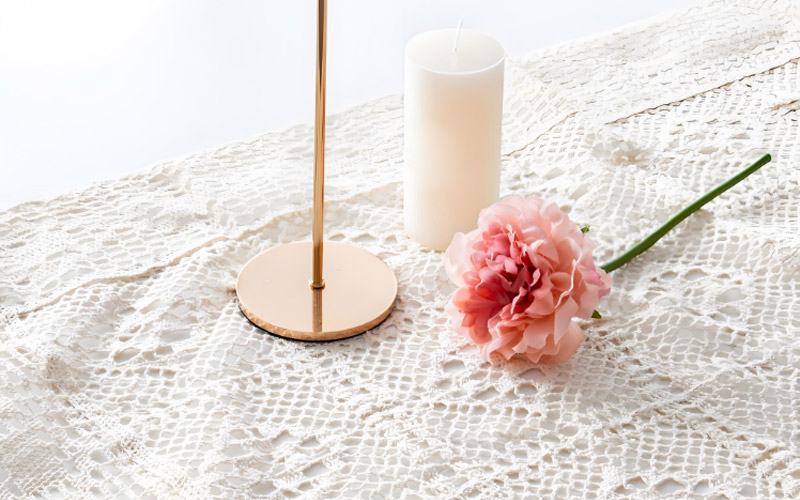
When producing embroidery lace, it is necessary to pay attention to multiple aspects to ensure product quality and production efficiency. Here are some key precautions:Raw material preparation and selectionChoose the appropriate base fabric: Based on product requirements and design, select the appropriate base fabric material, such as water-soluble non-woven fabric.Check the quality of embroidery thread: Ensure that the embroidery thread used has bright colors, good glossiness, no broken ends, and meets the design requirements.Preparation of auxiliary materials: Prepare double-sided tape, paper paper, wax paper and other auxiliary materials, and ensure their quality is reliable.Design and plate makingPrecise design: Design exquisite lace patterns based on customer needs and fashion trends, ensuring symmetry and proportional coordination of the patterns.Reasonable plate making: Use computer embroidery plate making software to make lace plate strips, ensuring that the plate strips are clear, accurate, and free of missing or wrong stitches.Production process controlEquipment debugging: Before production, debug the embroidery machine to ensure smooth operation, uniform needle spacing, and moderate tension.Operating standards: Operators must strictly follow the operating procedures for production to ensure that every step meets the process requirements.Quality control: Real time quality monitoring is conducted during the production process to promptly identify and correct issues such as color errors, angle deviations, and bottom line deviations.Environment and SafetyMaintain cleanliness: Ensure that the production environment is clean and tidy, avoiding dust and impurities contaminating the products.Pay attention to fire prevention: Due to the use of a large amount of flammable materials in the production process of embroidery lace, it is necessary to strengthen fire prevention measures to ensure production safety.Protecting eyesight: Prolonged exposure to embroidery machines may cause damage to vision, and operators should wear protective equipment such as goggles.Subsequent processing and inspectionRemoving the base fabric: For lace products with water-soluble non-woven base fabric, the base fabric needs to be removed by hot water treatment, leaving a three-dimensional lace.Ironing and tidying: Ironing and tidying the finished product to ensure that the lace is smooth and wrinkle free.Quality inspection: Conduct comprehensive quality inspection on finished products, including dimensions, colors, patterns, etc., to ensure that the products meet customer requirements.Other precautionsEnergy conservation and emission reduction: Pay attention to energy conservation and emission reduction in the production process, reduce production costs, and protect the environment.Technological innovation: Continuously introducing new technologies and equipment to improve production efficiency and product quality.Employee training: Regularly provide skill training and quality awareness education to operators to improve their quality and production capacity.In summary, the production of embroidery lace requires comprehensive consideration and strict control multiple aspects such as raw material preparation, design and plate making, production process control, environment and safety, and subsequent processing and inspection to ensure product quality and production efficiency.
09-11knowledge
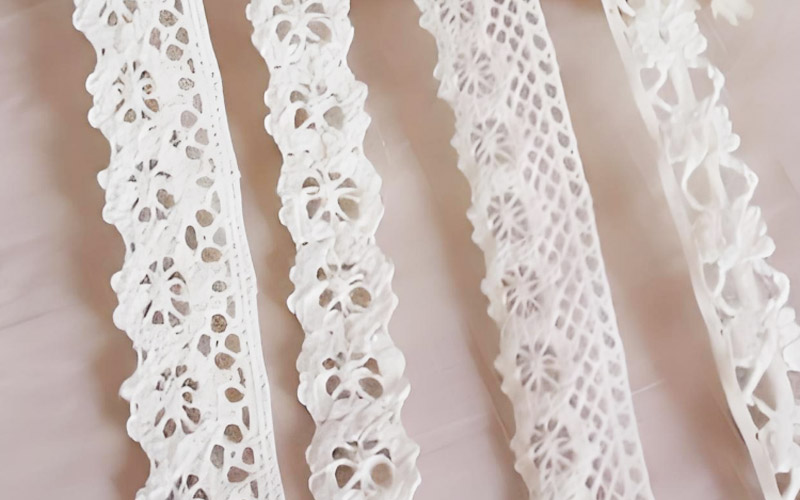
Knitted jacquard products are a diverse category that encompasses a variety of knitted fabrics with unique patterns and designs. These products are usually formed into specific patterns or designs using jacquard technology during the weaving process using warp knitting machines. The following are some specific categories of warp knitted jacquard products:Basic classificationOrdinary warp knitted jacquard fabric: This type of fabric uses a jacquard device on a warp knitting machine to prevent some needles from participating in yarn padding and shedding during the weaving process, thereby forming an elongated coil structure and presenting patterns or designs on the fabric.Fancy warp knitted jacquard fabrics: including various types such as mesh fabrics, looped fabrics, pleated fabrics, plush fabrics, and lining fabrics. These fabrics, based on jacquard technology, combine different weaving techniques and raw materials to form distinctive appearances and properties.Classify by pattern and styleMonochrome Jacquard: A pattern or pattern of a single color on a fabric, usually formed through jacquard technology to create delicate textures or geometric shapes on the fabric.Multicolor Jacquard (Color Jacquard): Using yarns of different colors for jacquard weaving, the fabric presents rich colors and layers. This type of fabric has bright colors and vivid patterns, and is widely used in high-end clothing and home decoration.Geometric jacquard: Regular geometric shapes such as stripes, grids, diamonds, etc. form a unique visual effect on fabrics and are suitable for various clothing and decorative purposes.Natural Element Jacquard: Taking inspiration from natural elements such as flowers, plants, animals, etc., jacquard technology is used to present vivid patterns on fabrics, adding natural beauty to the fabric.Classified by purposeClothing fabrics: including various types such as women's outerwear, underwear, skirts, sportswear, sleepwear, children's clothing, etc. Knitted jacquard fabrics are widely used in the field of clothing due to their unique patterns and excellent performance.Home decoration fabrics: such as curtains, bedding, sofa covers, etc. These fabrics are formed into exquisite patterns and comfortable textures through jacquard technology, adding warmth and beauty to the home environment.Special craft jacquard fabricFleece Jacquard Fabric: On the basis of warp knitted jacquard, a fine layer of fluff is formed on the surface of the fabric through the process of pulling, which increases the warmth and softness of the fabric. This type of fabric is commonly used to make winter clothing and household items.Cutting velvet jacquard fabric: During the weaving process, a double-layer fabric is formed, and then the surface plush is cut off by a shearing machine to form a flat plush surface. This type of fabric has a dense and towering surface fuzz, a thick and full feel, and good warmth retention.In summary, warp knitted jacquard products are a rich and diverse category, covering a variety of fabrics with different styles, patterns, and uses. These fabrics have brought more innovation and development space to the textile industry through advanced jacquard technology and unique weaving techniques.
09-11knowledge
Textile lace is a decorative material widely used in clothing, home decoration, and other fields. Its production process is diverse, and the following are some common techniques for textile lace:1. Embroidery craftsmanshipOverview: Embroidery lace is a craft that forms patterns or designs on the base fabric through embroidery techniques. It uses needles and threads to puncture and weave on the base fabric according to the designed pattern, thus forming a three-dimensional pattern effect.Features: Exquisite embroidery lace workmanship, protruding flower shape, strong three-dimensional sense, bright colors and not easy to fade. At the same time, it can be personalized and customized according to design requirements, suitable for various high-end clothing and home decoration.Application: Widely used in the decoration of wedding dresses, formal dresses, fashion, curtains, sofa covers and other products.2. Weaving processOverview: Weaving lace is a process of weaving yarn or fiber materials into specific shapes and patterns through weaving techniques. It can be woven by hand or machine to create a variety of different textures and effects.Features: The woven lace has a soft texture, good breathability, and a certain degree of elasticity and plasticity. Its patterns and textures are rich and diverse, and can be adjusted and designed according to needs.Application: Commonly used for decorating knitwear such as sweaters, scarves, hats, etc., as well as for edging household items such as carpets and pillows.3. Machine weaving processOverview: Woven lace is a craft made by interweaving warp and weft threads controlled by a jacquard mechanism. It uses machines for automated production, which can efficiently produce lace of various specifications and patterns.Features: The woven lace has a tight texture, a three-dimensional flower shape, rich colors, and is not easily deformed. It has high production efficiency and is suitable for large-scale production.Application: Widely used in the decoration of bras, underwear, pajamas, fashion, bedding and other products.4. Knitting processOverview: Knitted lace is woven into lace with specific patterns and textures using knitting equipment such as warp knitting machines or weft knitting machines. It uses tools such as tongue needles or crochet hooks to form loops of yarn and connect them to each other.Features: Knitted lace has a loose texture, obvious perforations, a lightweight appearance, and good breathability. Its patterns and textures are flexible and versatile, and can be adjusted according to design requirements.Application: Commonly used for decorating sportswear, casual wear, children's clothing and other products.5. Printing processOverview: Although printing itself does not directly weave or embroider lace, by printing patterns on fabric, a decorative effect similar to lace can be formed. Printing technology uses various printing techniques to transfer patterns onto fabrics.Features: The printed lace has bright colors, diverse patterns, and high production efficiency. Suitable for decorating various fabrics and products.Application: Widely used in various fields such as clothing, home textiles, luggage, etc.6. Handmade craftsmanshipOverview: In addition to the mechanized production processes mentioned above, there are also some manual techniques used to make lace, such as crochet, hand embroidery, etc. Although these processes have low production efficiency, they can produce unique and personalized lace works.Features: Handmade lace has unique artistic value and personalized characteristics, which can showcase the creator's creativity and skills.Application: Suitable for high-end customization, art decoration and other occasions.In summary, common techniques for textile lace include embroidery, weaving, machine weaving, knitting, printing, and handicrafts. These processes each have their own characteristics and application areas, and can be selected and used according to specific needs.
09-11knowledge
There are various types of lace fabrics used for clothing and accessories, and the specific choice depends on the design, style, purpose, and desired decorative effect of the clothing. Here are some common lace fabrics used in clothing and accessories, along with their characteristics:1. Lace laceFeatures: Lace is favored for its exquisite patterns, delicate texture, and elegant appearance. It is usually made of materials such as cotton, silk, polyester, etc., and complex patterns and designs are formed through embroidery, weaving, or weaving processes.Usage: Widely used for decorating high-end clothing such as wedding dresses, formal gowns, dresses, shirts, as well as for home decor such as curtains and tablecloths.2. Cotton laceFeatures: Cotton lace is made from pure cotton or cotton blended yarn, which has the characteristics of softness, breathability, and good moisture absorption. It can be decorated through techniques such as embroidery, printing, and weaving.Usage: Suitable for daily clothing, children's clothing, underwear and other products that require comfort and breathability.3. Polyester laceFeatures: Polyester lace has the characteristics of wear resistance, wrinkle resistance, easy maintenance, and bright colors that are not easily faded. It is usually made of chemical fibers and patterned through processes such as weaving or printing.Usage: Suitable for sportswear, casual wear, and other clothing that require wear resistance and wrinkle resistance, as well as products that require regular cleaning and maintenance.4. Nylon laceFeatures: Nylon lace has high strength and wear resistance, as well as a certain degree of elasticity and recovery. It has bright colors and is not easily deformed.Usage: Commonly used in sports clothing, swimwear, outdoor equipment and other products that require high strength and wear resistance.5. Interwoven silk laceFeatures: The interweaving of silk and lace combines the softness of silk with the lightness of yarn, creating a unique texture and luster. It is usually used for decorating high-end clothing and accessories.Usage: Suitable for evening dresses, high-end customized clothing, wedding dresses and other occasions.6. Cotton brocade interwoven laceFeatures: Cotton brocade interwoven lace combines the comfort of cotton with the wear resistance of nylon, forming a fabric that is both soft and durable.Purpose: Suitable for various occasions such as daily clothing and household items.7. Pure cotton laceFeatures: The pure cotton lace is made of 100% pure cotton yarn, which has the characteristics of natural, environmentally friendly, breathable, and good moisture absorption. Its texture is firm, washable and wear-resistant, with brilliant colors and a three-dimensional effect.Usage: Widely used for edge decoration of carpets, tapestries, sheets, clothing, shoes, shoulder straps, etc., especially popular in women's clothing decoration.Matters needing attentionWhen choosing lace fabrics, it is necessary to consider the overall style and design requirements of the clothing, as well as the comfort and durability of the fabric.Different fabrics have different characteristics and applicability, so it is necessary to choose according to the actual situation.When purchasing lace fabrics, it is recommended to choose legitimate channels and reputable suppliers to ensure the quality and reliability of the fabrics.In summary, there are various types of lace fabrics used for clothing and accessories, and the specific selection should be comprehensively considered based on actual needs.
09-11knowledge
When producing embroidery lace, it is necessary to pay attention to multiple aspects to ensure product quality and production efficiency. Here are some key precautions:Raw material preparation and selectionChoose the appropriate base fabric: Based on product requirements and design, select the appropriate base fabric material, such as water-soluble non-woven fabric.Check the quality of embroidery thread: Ensure that the embroidery thread used has bright colors, good glossiness, no broken ends, and meets the design requirements.Preparation of auxiliary materials: Prepare double-sided tape, paper paper, wax paper and other auxiliary materials, and ensure their quality is reliable.Design and plate makingPrecise design: Design exquisite lace patterns based on customer needs and fashion trends, ensuring symmetry and proportional coordination of the patterns.Reasonable plate making: Use computer embroidery plate making software to make lace plate strips, ensuring that the plate strips are clear, accurate, and free of missing or wrong stitches.Production process controlEquipment debugging: Before production, debug the embroidery machine to ensure smooth operation, uniform needle spacing, and moderate tension.Operating standards: Operators must strictly follow the operating procedures for production to ensure that every step meets the process requirements.Quality control: Real time quality monitoring is conducted during the production process to promptly identify and correct issues such as color errors, angle deviations, and bottom line deviations.Environment and SafetyMaintain cleanliness: Ensure that the production environment is clean and tidy, avoiding dust and impurities contaminating the products.Pay attention to fire prevention: Due to the use of a large amount of flammable materials in the production process of embroidery lace, it is necessary to strengthen fire prevention measures to ensure production safety.Protecting eyesight: Prolonged exposure to embroidery machines may cause damage to vision, and operators should wear protective equipment such as goggles.Subsequent processing and inspectionRemoving the base fabric: For lace products with water-soluble non-woven base fabric, the base fabric needs to be removed by hot water treatment, leaving a three-dimensional lace.Ironing and tidying: Ironing and tidying the finished product to ensure that the lace is smooth and wrinkle free.Quality inspection: Conduct comprehensive quality inspection on finished products, including dimensions, colors, patterns, etc., to ensure that the products meet customer requirements.Other precautionsEnergy conservation and emission reduction: Pay attention to energy conservation and emission reduction in the production process, reduce production costs, and protect the environment.Technological innovation: Continuously introducing new technologies and equipment to improve production efficiency and product quality.Employee training: Regularly provide skill training and quality awareness education to operators to improve their quality and production capacity.In summary, the production of embroidery lace requires comprehensive consideration and strict control multiple aspects such as raw material preparation, design and plate making, production process control, environment and safety, and subsequent processing and inspection to ensure product quality and production efficiency.
09-11knowledge

Copyright : Shantou Liangsheng Textile Co., Ltd Powered by : 11400.cc 粵公網(wǎng)安備:44051402000147號

Applet

Official Account
Copyright : Shantou Liangsheng Textile Co., Ltd Powered by : 11400.cc 粵公網(wǎng)安備:44051402000147號